Views
20
Sometimes, the loudest warning signs are not scientific reports or court petitions. They are the quiet worries of people who have lived with forests for generations.
A Project That Sparked a Bigger Conversation
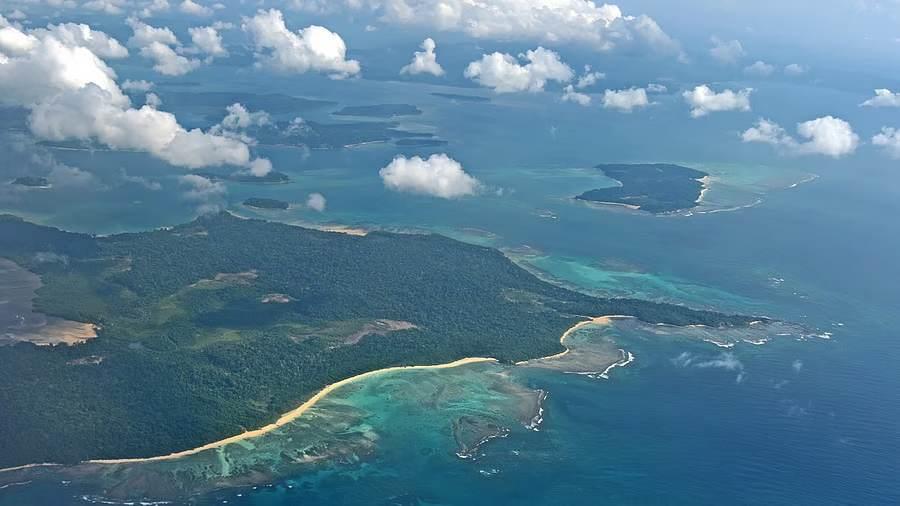
The Great Nicobar Island project has recently brought national attention to an important question: how do we balance development with the protection of nature and communities that depend on it?
While the project is often discussed in terms of infrastructure and economic growth, there is another side to the story that deserves equal attention. Great Nicobar is not just a strategic location on a map. It is a living landscape of dense forests, rare wildlife, and indigenous tribal communities who have depended on these ecosystems for food, shelter, and cultural identity.
This conversation is not about taking sides. It is about listening carefully to what forests and forest communities are telling us.
Why Forests Like Great Nicobar Matter
Forests on islands such as Great Nicobar play a unique role.
They protect coastlines from erosion and cyclones. They regulate rainfall and groundwater. They store carbon and help slow climate change. And most importantly, they support human life in ways that often go unnoticed.
For local tribal communities, forests are not resources to be extracted. They are homes, pharmacies, food banks, and sacred spaces combined into one.
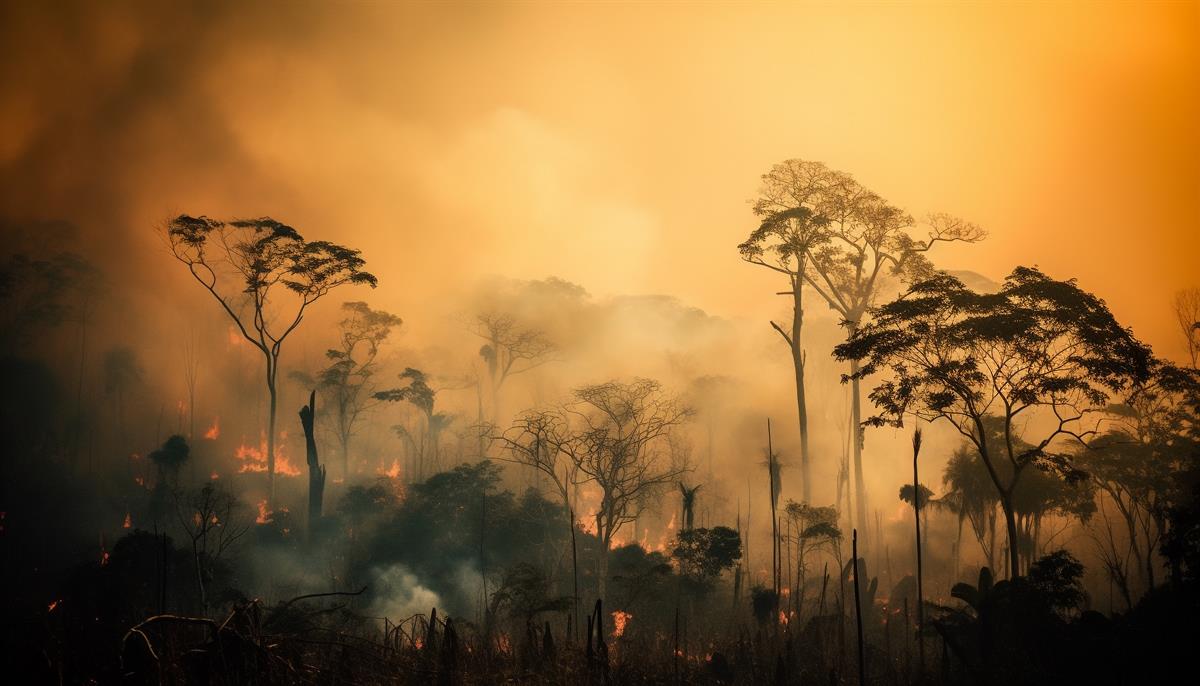
When large-scale projects enter such fragile ecosystems, even small disruptions can create long-lasting impacts.
The Human Side Often Missed
When we talk about environmental impact, numbers dominate the discussion. Hectares diverted. Trees felled. Species affected.
But behind these figures are people.
Tribal communities in the Nicobar Islands have lived in close harmony with nature for centuries. Their livelihoods are deeply connected to forest produce, coastal ecosystems, and traditional knowledge passed down through generations.
Any sudden change to land use can disrupt this balance. Loss of forest cover can mean loss of food security. Restricted access to land can weaken cultural practices. Uncertainty about the future creates stress that no compensation package can easily resolve.
Development that overlooks these realities risks leaving communities more vulnerable than before.
A Broader Lesson for Indias Forests
The Great Nicobar discussion reflects a larger challenge faced across India.
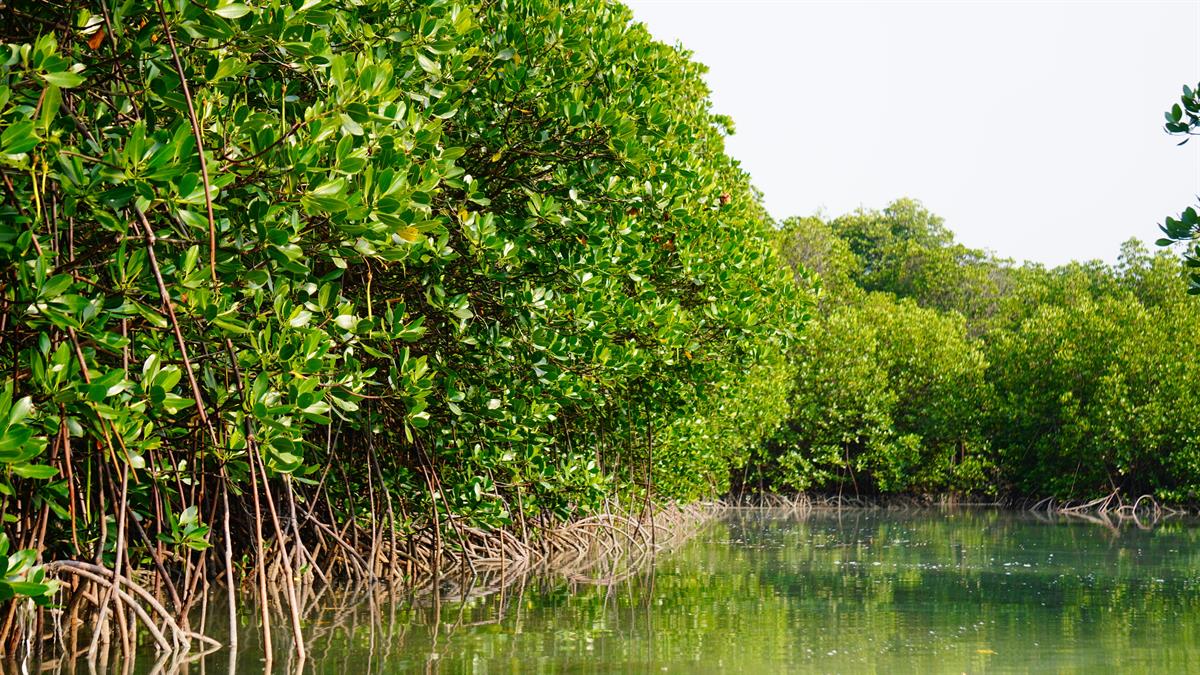
From central Indian forests to coastal mangroves, similar questions arise again and again. How much forest loss is acceptable? Who decides? And are local communities genuinely part of the decision-making process?
Sustainable development is not about choosing between progress and conservation. It is about designing growth that strengthens ecosystems rather than weakens them.
Where Tree Planting Fits In
Protecting forests does not stop at opposing deforestation. It also means restoring degraded land and supporting communities who protect nature every day.
This is where afforestation and community-led tree planting play a meaningful role.
Well-planned tree planting can improve soil health, restore biodiversity, and create long-term livelihoods. When tribal communities are involved as partners rather than beneficiaries, tree planting becomes a source of dignity and strength.
How Grow-Trees.com Supports Tribal Communities
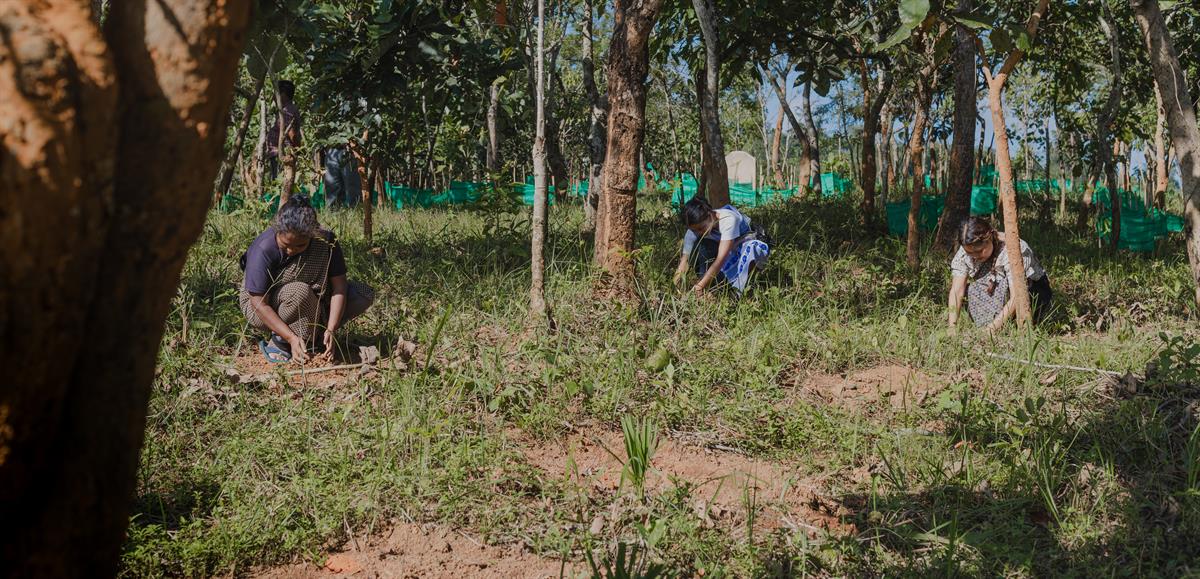
At Grow-Trees.com, the Trees for Tribals® initiative supports the Sahariya tribal community in Mungavali by restoring degraded land through native tree plantation while creating dignified livelihoods. In regions affected by drought, poor soil health, and shrinking forest cover, the project focuses on planting climate-resilient species such as Amla, Teak, Guava, Shisham, and Khair. These trees help reduce soil erosion, improve water retention, enhance biodiversity, and strengthen food security. As the trees mature, they also contribute to long-term carbon sequestration and support agriculture by improving local microclimates and pollination.
Equally important is the human impact. Tribal families are engaged across the plantation cycle, from seed collection and planting to long-term maintenance, creating steady employment and building skills in land and forest management. The return of local trees restores access to non-timber forest produce, strengthens cultural ties to the land, and improves nutrition and household incomes, especially for women and children. Through this approach, Grow-Trees.com helps tribal communities move toward more stable, resilient livelihoods while continuing their role as long-term custodians of the forests.
What Progress Really Means for People and Forests
The discussion around Great Nicobar reminds us that progress cannot be measured only in roads built or ports expanded.
True progress is visible when forests continue to stand, when wildlife corridors remain intact, and when tribal communities feel secure about their future.
As individuals and organizations, we all have a role to play. Supporting responsible tree plantation, asking thoughtful questions about development, and choosing sustainability in everyday decisions can collectively shape a better path forward.
Because when forests thrive, communities thrive. And when communities thrive, development becomes meaningful.
Picture Credit iStock Photo
Source- https://www.deccanherald.com/india/nothing-making-a-difference-to-indifferent-modi-govt-congress-slams-great-nicobar-project-3873345
https://www.thehindu.com/sci-tech/energy-and-environment/congress-cites-the-hindu-report-to-target-centre-over-great-nicobar-project-calls-modi-government-indifferent/article70546583.ece
Subscribe to our newsletter and recieve a selection of our cool articles every week.
Copyrights @ 2025 All rights reserved by Pangea EcoNetAssets Pvt Ltd.