
Views
2778
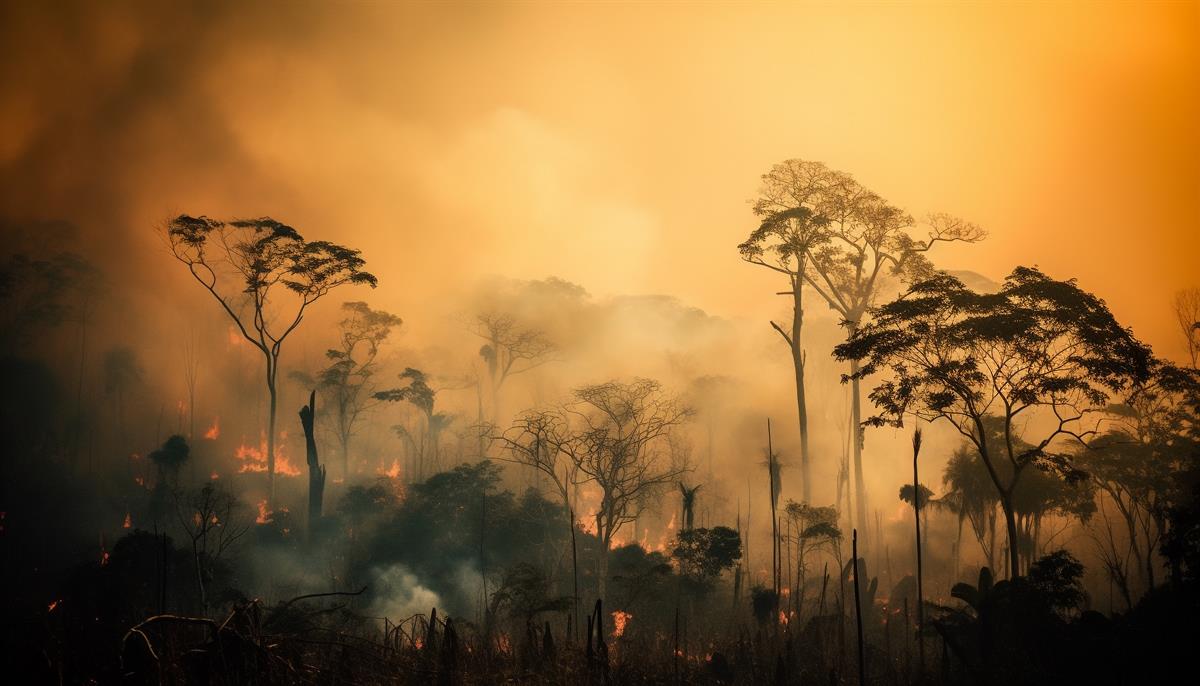
Wildfires in India are no longer rare, seasonal disruptions are becoming an annual reality shaping landscapes, communities, and the climate itself. More than 54.40% of forests in India are exposed to occasional fires, and nearly 36% are prone to frequent fires, meaning over half the countrys forests now live with a chronic fire threat.
The season itself is stretching. A fire cycle that traditionally lasted 13 weeks starting mid-February now begins earlier, intensifies faster, and refuses to end on time. In 2024-25, around 15 million people in India were affected by smoke, displacement, forest loss, falling air quality, or heat stress.
In short, wildfires in India are shifting from exceptional events to a persistent national concern.
A wildfire is a fire that escapes control. It feeds on dry leaves, grasses, and forest litter, and once lit, it responds to three forces: heat, wind, and fuel.
With rising temperatures, prolonged dryness, and worsening heatwaves, natural fuel like leaves and shrubs now dries out more quickly, allowing fires to escalate within hours. This is why many forest fires in India today are more aggressive than they were a decade ago.
These skim across dry leaves, grass, and forest floor vegetation. They move quickly but can usually be containedunless winds strengthen or fuel loads are high.
These burn underground, smouldering slowly for days or weeks. They are especially dangerous because theyre difficult to detect and extinguish.
The most dramatic typethe flames leap from one treetop to another. These high-intensity fires can destroy entire forest sections rapidly.
In some regions, especially the Northeast, shifting cultivation fires (jhum) and farm-burning practices can escape control during dry spells.
Indias fire map tells a worrying story. Satellite data detected 2,23,333 fire spots across the country, and over 2,500 forest fire alerts have already been recorded this year.
More than a quarter of Indias forest cover is now considered fire-prone.
Several significant forest fires have burned inside national parks and wildlife reserves, areas once considered relatively secure.
Across two decades, satellite visuals show a consistent rise in hotspots, wider fire footprints, and earlier ignition patternsall pointing to a rapidly warming, drying landscape.
Waste burning near forests
This is where everything accelerates. Rising temperatures, erratic rain, extended summers, and shorter winters create fire weatherconditions where forests ignite more easily and burn more intensely.
This is one of the strongest links between climate change and wildfires in India.
Animals flee rapidly, often entering villages in confusion. Wildlife-human conflict spikes as elephants, deer, leopards, and even smaller mammals escape burning habitats.
High-intensity fires can heat soil enough to kill seed banks and microorganisms. This slows forest regeneration and weakens watersheds.
On severe fire days, forest fires in India release carbon emissions comparable to emissions from much larger urban centres. This triggers a short-term climate feedback loop.
Intense heating disturbs deep soil layers, exposing dormant anthrax spores and increasing the risk of outbreaks in grazing regions.
Wildfires in India dont just burn foreststhey heavily impact people.
Wildfire smoke pushes PM2.5 levels dangerously high. This leads to asthma attacks, breathlessness, lung infections, and acute respiratory distress.
Heatwaves plus smoke amplify stress on the body, increasing ER visits and cardiovascular strain.
Prolonged exposure links to cognitive decline, developmental delays in children, chronic inflammation, and increased heart disease risks.
Not every fire is destructive. Low-intensity fires can:
But these benefits apply only when fires are small, infrequent, and natural.
This is the new pattern driving todays wildfire risks.
India has strengthened fire management through:
However, district-level equipment, training, and communication networks still require urgent upgrading.
AI models can forecast ignition risks by analysing humidity, temperature, fuel moisture, and wind conditions.
Real-time monitoring helps detect early sparks before they expand into major forest fires.
This includes:
Preventing forest fires is more effective than responding after damage is done. Proactive land management, ecological restoration, and community participation together play a critical role in reducing fire intensity and spread across Indias fire-prone landscapes.
Degraded forests dry out faster and burn more intensely. Restoring these landscapes with planned interventions helps rebuild canopy cover, improves soil moisture, and reduces exposed, combustible ground. Grow-Trees.com works with local planting partners to restore degraded forest patches, strengthening their ability to withstand prolonged dry periods.
Well-designed tree planting programs help break continuous fire paths and stabilize vulnerable forest edges. When aligned with ecological needs, such programs create healthier forest structures that are less prone to large-scale fires. Grow-Trees.com supports long-term planting initiatives that focus on resilience rather than short-term green cover.
Native tree species are better adapted to local climate conditions and require less water to survive dry seasons. They also regenerate faster after stress events like fires. Grow-Trees.com prioritizes native and region-specific species through its planting partners to ensure forests remain ecologically balanced and fire-resilient.
Broad-leaf trees retain more moisture, create shade, and reduce ground temperature, helping forests stay cooler during peak summer months. Their leaf litter also decomposes faster, lowering fire fuel loads. Grow-Trees.com encourages plantation designs that include moisture-retaining species where ecologically appropriate.
Accumulated dry leaves and undergrowth act as ready fuel for fires. Regular clearing, mulching, and controlled biomass management reduce ignition risks. Through community-linked forest management practices, Grow-Trees.com helps support safer, better-maintained forest landscapes.
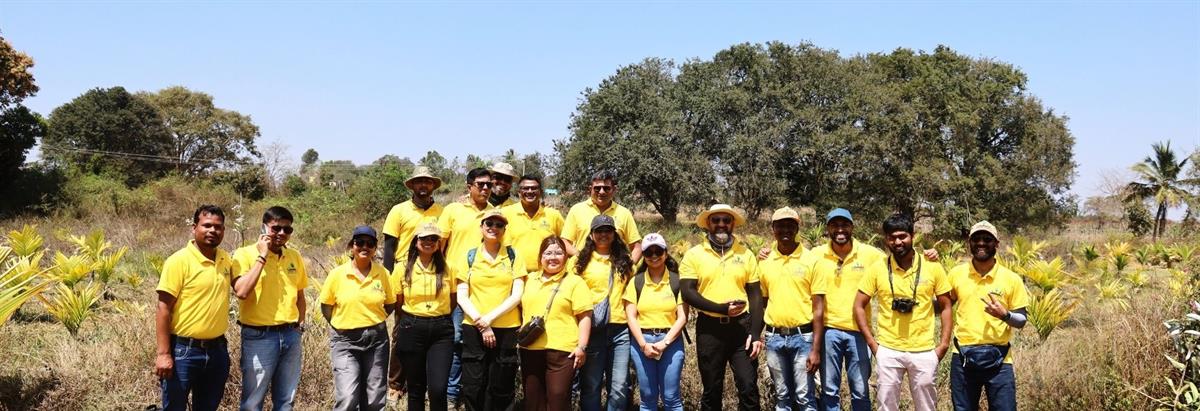
Communities living near forests are often the first to notice fire risks. Training, livelihood integration, and shared responsibility improve early response and prevention. Grow-Trees.com works closely with local communities, creating stewardship models that protect forests while supporting rural livelihoods.
Post-fire recovery is essential to prevent erosion, biodiversity loss, and repeated fire cycles. A thoughtful mix of natural regeneration and targeted intervention helps forests regain stability over time.
In many areas, forests have the ability to regenerate naturally if left undisturbed. Allowing natural recovery preserves existing seed banks and soil biology. Grow-Trees.com supports site assessments to determine where assisted planting is needed and where nature can heal on its own.
Severely burnt zones often require replanting to prevent invasive species from taking over. Native trees help restore ecological balance and accelerate recovery. Grow-Trees.com facilitates native species replanting through experienced on-ground partners in post-fire landscapes.
Post-fire planting helps stabilize soil, restore green cover, and rebuild forest structure. These programs must be timed and designed carefully to match local conditions. Grow-Trees.com supports structured post-fire plantation efforts that focus on long-term survival and ecosystem health.
Fire-damaged soil loses its ability to retain water, increasing erosion and reducing plant survival. Measures such as mulching, contour planting, and moisture-retaining species help restore soil health. Grow-Trees.com integrates soil and water conservation practices into its restoration projects.
Wildfires destroy food sources and shelter for wildlife, forcing animals into human settlements. Restoring diverse tree cover helps rebuild habitats and natural corridors. Grow-Trees.coms restoration efforts contribute to creating safer, more connected ecosystems for wildlife to return.
Forest recovery is not a one-season effort. Ongoing monitoring, care, and protection are essential for success. By engaging local communities in post-fire restoration, Grow-Trees.com helps ensure forests are protected, maintained, and strengthened for the long term.
Wildfires in India are rising sharplydriven by drought, human activity, heatwaves, and climate change. But India is not powerless. Large-scale forest restoration and habitat restoration, paired with smarter prediction systems and stronger local firefighting networks, can buffer landscapes against destruction.
Through science-backed afforestation and community-linked restoration, Grow-Trees.com helps revive degraded forests, strengthen wildlife habitats, and build resilience in areas vulnerable to fire and climate stress. Every restored patch becomes a refugeslowing the spread of flames, protecting biodiversity, and supporting the communities that rely on these forests.
Q1. Do wildfires occur in India?
Yes. Wildfires in India are increasing sharply due to heatwaves, drought, and human activities. Many forest regions now face annual fires.
Q2. What are the natural causes of wildfires in India?
Lightning, prolonged dryness, rising temperatures, extreme heat, and drought cycles are the main natural triggers.
Q3. Which regions are most prone to forest fires?
Uttarakhand, Odisha, Maharashtra, Madhya Pradesh, Chhattisgarh, Jharkhand, the Northeastern states, and parts of the Western Ghats.
Q4. How can wildfires be controlled in India?
Early detection (drones, satellites), fuel management, community fire brigades, controlled burning, and improved district-level response systems.
Q5. Are wildfires linked to climate change?
Strongly. Rising heat, erratic rainfall, and longer dry seasons create ideal conditions for fires to ignite and spread.
Q6. Which is the biggest wildfire in India?
The 2016 Uttarakhand wildfire is widely recognised as one of Indias largest and most damaging in recent history.
Q7. Which country has the biggest wildfire?
Countries like the U.S., Australia, and Canada frequently experience the worlds largest wildfires due to vast dry landscapes.
Q8. What is the biggest wildfire right now?
Active wildfire rankings change daily depending on global conditions. Large events typically occur in Australia, the U.S., and Canada during peak seasons.
Q9. Can tree plantation help reduce forest fire risk?
Yes, when planned and executed correctly, tree plantation can play a meaningful role in reducing forest fire risk. Strategic tree planting focuses on native, broad-leaf species that retain more moisture, create cooler microclimates, and are less prone to igniting than resin-rich or invasive varieties. These trees help improve soil moisture, reduce wind speed at ground level, and break the continuity of dry, flammable vegetation that often fuels large fires.
Equally important is where and how trees are planted. Restoring degraded forest edges, buffer zones, and fire-prone landscapes with the right mix of species, combined with community-led maintenance and removal of excess dry biomass, can significantly lower fire intensity and spread.
This is where well-designed tree planting programmes matter.
At Grow-Trees.com, plantations are undertaken in partnership with local communities, using region-appropriate native species and long-term care models that strengthen forest resilience rather than add to fire load. Such nature-based solutions not only help mitigate wildfire risk but also restore ecosystems, support livelihoods, and build healthier, more fire-resilient landscapes over time.
Subscribe to our newsletter and recieve a selection of our cool articles every week.
Copyrights @ 2025 All rights reserved by Pangea EcoNetAssets Pvt Ltd.