Views
1134
Diwali is a season of light, hope, and renewal. Across India, millions of lamps illuminate homes, streets, and hearts, carrying with them a quiet promise of warmth, of togetherness, of something good taking place. In the city of Ayodhya, this promise holds an even deeper meaning.
Nestled on the banks of the Saryu River, Ayodhya is not just a city; it's a living memory of faith, devotion, and stories passed down through generations. It is believed to be the birthplace of Bhagwan Shri Ram, a place where every corner holds echoes of the Ramayana. Every year, lakhs of people come here with folded hands and full hearts. And with their footsteps, their prayers, and their lamps, the city comes alive.
But this growing devotion also brings with it another reality. In 2017, around two lakh people visited Ayodhya. By 2022, the number soared to over two crore, and it continues to rise. While this is a witness to the city's cultural power, it also places an enormous burden on its air, land, and natural surroundings. The sacred waters, ancient trees, and serene stretches of green are now struggling to keep pace with the ever-increasing tide of human activity.
This Diwali, as lights fill the skies, we have an opportunity to bring balance back to this holy land, not just with diyas, but with trees.
Tree planting in Ayodhya is not just an act of greening the earth. It is a way to give back to a land that has given so much, to preserve its breath, its shade, its beauty, and its wildlife. The region is home to 68 bird species, nine of which are already under threat.
Imagine this: as the years go by, the sapling you plant today grows into a strong Ashok or Peepal tree. Under its shade, people may find solace. Its leaves may cool the air, its branches may cradle the chirping of birds, and its roots may hold the soil firm. And somewhere in the background, diyas will keep glowing, just like they do every Diwali.
Every tree in Ayodhya carries meaning. Ashok trees stand as silent witnesses to Sitas strength. Jamun trees remind us of Rams journey. Neem, Kadamb, and Arjun, each species is placed in both culture and ecology. Planting them is more than an environmental act; its a way of honoring our heritage and protecting what makes Ayodhya so special.
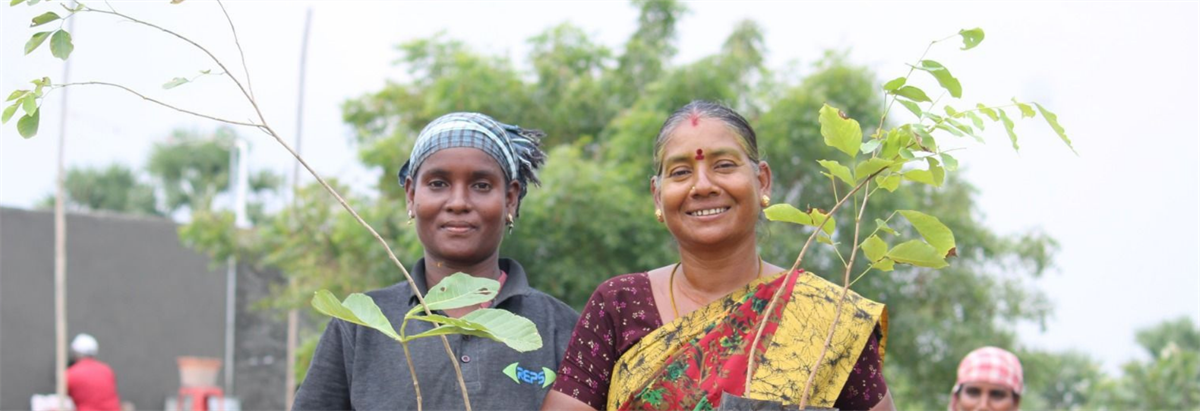
There's also another quiet story unfolding here, that of local communities. Women and men from nearby villages nurture saplings, plant them in the soil, and care for them through the seasons. Every tree planted gives them not just an income but a sense of pride and purpose. In the shade of these trees, livelihoods grow too.
Diwali teaches us that light chases away darkness. By growing trees, we light a different kind of lamp, one that doesnt just shine for a night but stands tall for decades, offering life and breath to all.
This festive season, let your celebrations grow with nature.
Plant a tree in Ayodhya and let your light travel further than the flicker of a diya. Plant now through Grow-Trees.com and make this Diwali a gift to the land that has carried stories of faith for centuries.
Subscribe to our newsletter and recieve a selection of our cool articles every week.
Copyrights @ 2025 All rights reserved by Pangea EcoNetAssets Pvt Ltd.