
Views
1181
Forests are far more than natural landscapes. They are economic assets that sustain livelihoods, strengthen communities, regulate the climate, and support industries across the world. According to the Food and Agriculture Organization (FAO), forests provide livelihoods for over 1.6 billion people, while forest-based sectors contribute more than US$250 billion annually to developing economies. From timber and non-timber forest products to water security, biodiversity, tourism, and carbon sequestration, forests generate immense value that often goes beyond conventional financial metrics.
As climate change, biodiversity loss, and land degradation continue to threaten ecosystems, investing in forest conservation and restoration has become an economic necessity rather than an environmental choice. A resilient forest economy benefits people, businesses, governments, and future generations alike.

Understanding the Forest Economy as an Investment
What is forest economics?
Forest economics is the study of how forest resources are managed, protected, and utilised to generate long-term environmental, social, and economic benefits. It evaluates the value of forests not only through market products such as timber and bamboo but also through ecosystem services including clean water, fertile soil, carbon storage, and biodiversity conservation.
How do forests contribute to local and national economies?
Healthy forests support agriculture, tourism, sustainable forestry, handicrafts, medicinal plants, and numerous rural enterprises. They create employment across the forest value chain—from nursery development and plantation activities to forest management, eco-tourism, and value-added forest products.
Many communities also depend on forests for fuelwood, fodder, food, and traditional medicine, making forests an essential contributor to rural livelihoods and economic resilience.
Forests as natural capital
Forests are increasingly recognised as natural capital—assets that provide continuous ecological and economic returns. They regulate rainfall, improve groundwater recharge, prevent soil erosion, purify air, conserve biodiversity, and store significant amounts of atmospheric carbon. Modern environmental accounting frameworks, including the System of Environmental-Economic Accounting (SEEA), encourage governments to include these ecosystem services in National Economic Planning.
Key pillars of a positive forest economy
A sustainable forest economy rests on five interconnected pillars:
- Employment and livelihood generation
- Biodiversity conservation
- Climate change mitigation
- Sustainable resource management
- Community participation
Together, these pillars create long-term economic resilience while protecting natural ecosystems.

Forest Conservation: Protecting Value for People, Planet, and Economy
Forest conservation safeguards one of the world's most valuable natural assets. Conserved forests continue to provide clean water, pollination services, climate regulation, and habitat for countless species while supporting local economies.
Conversely, deforestation carries significant economic costs. Loss of forest cover increases soil degradation, reduces agricultural productivity, intensifies floods and droughts, threatens biodiversity, and weakens rural livelihoods. The long-term financial burden of ecosystem degradation often exceeds the short-term gains from unsustainable land use.
Forest conservation also contributes directly to several United Nations Sustainable Development Goals (SDGs), including Climate Action (SDG 13), Life on Land (SDG 15), No Poverty (SDG 1), and Decent Work and Economic Growth (SDG 8).
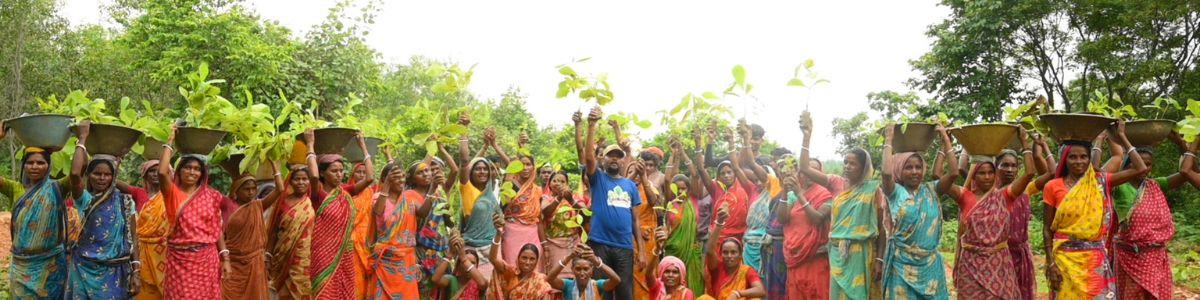
Community-led conservation initiatives demonstrate that protecting forests and improving livelihoods can go hand in hand. When local communities are actively involved in managing natural resources, conservation outcomes become more sustainable and economically rewarding.

Forest Restoration: Driving Economic, Social, and Environmental Investments
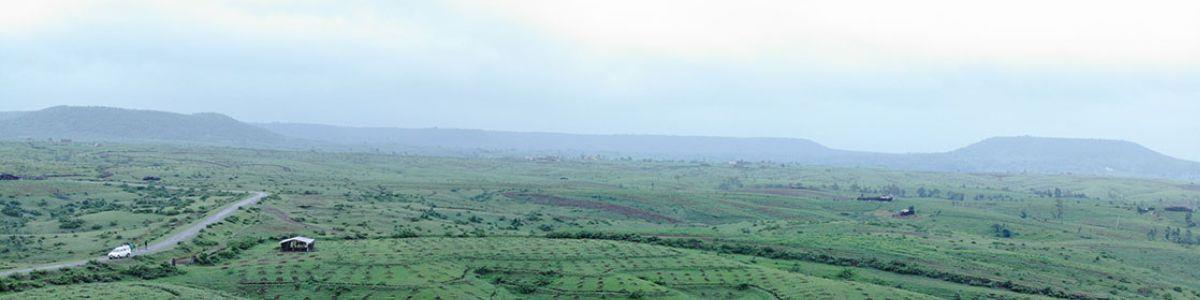
While conservation protects existing forests, restoration helps recover degraded landscapes and restore ecosystem services.
Forest restoration generates employment through nursery operations, site preparation, planting, maintenance, monitoring, and long-term forest management. It also strengthens local economies by improving soil fertility, increasing water availability, enhancing biodiversity, and creating opportunities for sustainable agroforestry.
Restored forests play a vital role in climate mitigation by absorbing carbon dioxide from the atmosphere. They also improve resilience against floods, droughts, and extreme weather events, delivering benefits that extend far beyond environmental conservation.
Measuring the returns from restoration involves more than counting trees. Indicators such as biodiversity recovery, carbon sequestration, groundwater recharge, improved livelihoods, and community participation provide a more comprehensive picture of long-term impact.
Emerging Trends in the Forest Economy and Sustainable Investments
The forest economy is evolving rapidly through innovative approaches that combine environmental stewardship with economic development.
Circular economy principles encourage efficient use of forest resources while minimising waste. Advances in satellite monitoring, GIS mapping, drone technology, and digital reporting are improving transparency and enabling better forest management.
At the same time, businesses are increasingly investing in nature-based solutions through corporate sustainability initiatives, carbon projects, and landscape restoration programmes. Certified sustainable forest products are also gaining consumer preferences, encouraging responsible production practices throughout the supply chain.
These developments demonstrate that investing in forests is becoming an integral part of sustainable economic growth.

How Grow-Trees.com enables investment in people, planet, and forests
Grow-Trees.com believes that restoring forests is an investment in both people and towards our planet. Since its inception, the organisation has partnered with corporates, institutions, and individuals to support tree plantation and ecosystem restoration projects across India through our robust on-ground team with support of experienced plantation partners.
Its initiatives restore degraded landscapes, improve biodiversity, strengthen wildlife habitats, and enhance climate resilience while creating meaningful livelihood opportunities for rural and tribal communities. Many projects also promote agroforestry, watershed restoration, and community participation, ensuring long-term environmental and socio-economic benefits.
Each plantation project is supported with transparent monitoring, impact reporting, and digital plantation certificates, enabling supporters to track the positive outcomes of their contribution.
By supporting scientifically planned restoration initiatives, individuals and organisations can actively participate in strengthening India's forest economy while contributing to a greener and more resilient future.
Conclusion: Investing in Forests strengthens people, planet, and prosperity
A thriving forest economy recognises forests as productive natural assets that generate environmental, social, and economic value simultaneously. Conservation protects existing wealth, while restoration rebuilds degraded ecosystems and creates new opportunities for communities and businesses.
Investing in forests today means investing in cleaner air, healthier ecosystems, stronger rural livelihoods, climate resilience, and sustainable economic development. As governments, organisations, and citizens increasingly recognise the true value of forests, collective action will play a defining role in building a future where people and nature prosper together.
Frequently Asked Questions
What is forest economics?
Forest economics studies the management, conservation, and sustainable use of forest resources to maximise long-term environmental, social, and economic benefits.
What are the economic benefits of forests?
Forests generate employment, support rural livelihoods, provide raw materials, enhance tourism, regulate water resources, and contribute significantly to climate resilience.
How do forests contribute to local and national economies?
Forests support industries such as forestry, agriculture, eco-tourism, handicrafts,timber and non-timber forest products while sustaining millions of livelihoods.
How does forest conservation support economic development?
Conservation protects ecosystem services, reduces environmental degradation, secures natural resources, and supports sustainable livelihoods for future generations.
What are the benefits of forest restoration?
Restoration improves biodiversity, captures carbon, restores degraded land, creates employment, enhances water security, and strengthens ecosystem resilience.
How can individuals and organisations contribute?
Supporting credible tree plantation and restoration initiatives, adopting sustainable practices, and investing in long-term conservation programmes are effective ways to strengthen the forest economy.
Subscribe to our newsletter and recieve a selection of our cool articles every week.