
Views
1057
"When we plant trees, we plant the seeds of peace and the seeds of hope."
Wangari Maathai, Nobel Peace Prize Laureate and Founder of the Green Belt Movement.
Introduction
Grow-Trees.com a 17 year old organization focused into tree plantation and communities welfare, planted over 23 million trees, have partnered with local organisations to develop a community led afforestation carbon removal project on barren and underutilised lands in Uttar Pradesh and Madhya Pradesh, India. For a carbon project to be successful, communities play a major role and remain the core part of the project design, development and implementation.
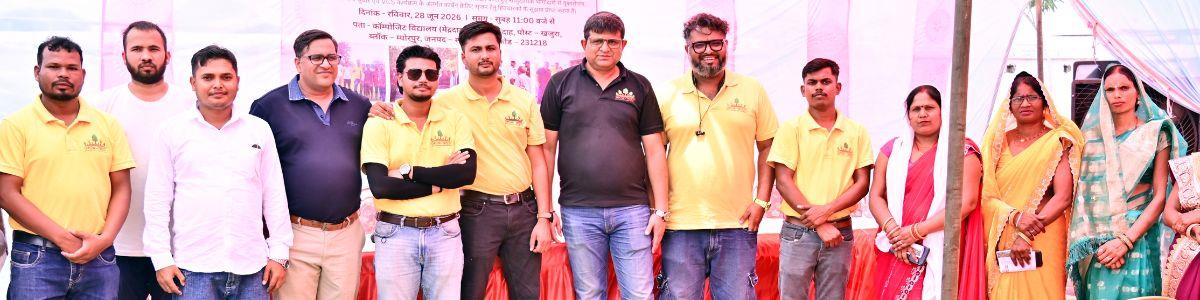
Building on months of engagement with farmers and landholders across the project villages, the initiative reached an important milestone with the Local Stakeholder Consultation (LSC) held on 28th June 2026 in Sonbhadra, Uttar Pradesh, India.

Fig 1: Inclusive community participation during the Local Stakeholder Consultation
Restoring degraded landscapes is about much more than planting trees, it is about building partnerships that can endure for generations. The Local Stakeholder Consultation created a platform where science met local knowledge, and where global climate ambitions were discussed alongside the everyday realities of farming. By bringing diverse stakeholders together, the consultation ensured that the project is not only environmentally robust but also socially rooted and community-driven.
The consultation reflected the project's commitment to leaving no voice unheard. Deliberate efforts were made to ensure participation from all sections of the community, including women, small and marginal farmers, village leaders, and other local stakeholders. Women represented nearly 35% of the participants, highlighting the importance of inclusive decision-making in shaping a project that is rooted in community priorities.

Fig 2: Active community participation during the stakeholder consultation, reflecting an open and inclusive dialogue.
The Community at the Centre
Representing Grow-Trees.com, Mr. Vipul Gajera (CEO), Mr. Ronak Jariwala (Director Projects), Mr. Spandan Kumar (Manager), along with Project Coordinators Mr. Raju, Mr. Pushpendra and Mr. Devidas, welcomed the participants and shared the vision behind the project titled "Trees for Farmers®, Agroforestry Project in India." They highlighted how restoring barren and underutilized lands through agroforestry can generate long-term environmental and livelihood benefits, while emphasizing that the project's success depends on the active participation and stewardship of local communities.

Fig 3: A farmer sharing his views during the interactive discussion at the Local Stakeholder Consultation
The conversation began with an introduction to Grow-Trees.com, its implementation partners, and the shared vision behind the project. As the discussion unfolded, the focus shifted to the bigger picture, how climate change is affecting communities, why restoring degraded landscapes has become more urgent than ever, and why Sonbhadra, a district long known for its coal mines and thermal power plants, presents a unique opportunity to bring nature back into the landscape. Participants explored how planting trees on underutilized lands can strengthen biodiversity, improve soil and water resources, and create new livelihood opportunities for farmers. One of the most engaging parts of the consultation was a dedicated session with women from the community, who spoke about their experiences, challenges, and aspirations. Their insights reinforced a simple yet powerful idea: successful restoration is not just about trees, it is about empowering the people who care for them every day.

Fig 4: Women participants actively engaging in the Local Stakeholder Consultation
Listening Before Planting
What began as a project introduction soon transformed into an engaging conversation. Farmers eagerly joined the discussion, asking questions, sharing their experiences, and offering suggestions based on their knowledge of the land. From understanding carbon credits and benefit sharing to discussing plantation models, species selection, and long-term monitoring, the exchange was lively and interactive. The Grow-Trees.com team responded to every question with openness, ensuring that the consultation remained a dialogue built on trust rather than a one-sided presentation.


Fig 5: Community voices at the heart of the Local Stakeholder Consultation
The discussions reflected genuine curiosity and a shared desire to understand how the initiative would work in practice. Some of the key questions raised during the consultation included:
How can saplings be protected from grazing animals after plantation?
The project team suggested that avoiding the open grazing near the field during the initial growth period and regular monitoring by the farmer, helps identify and address any damage early.
Who owns the carbon credits generated by the project?
Farmers retain ownership of their land and trees, while carbon rights are assigned to the project developer. Carbon credit revenue is shared with participating farmers as per the agreement.
Can farmers continue cultivating crops?
Yes. The project follows an agroforestry model, allowing farmers to continue agricultural activities while integrating trees into their farming systems.
What role can the local community play in environmental conservation?
The project team emphasized that active community participation is key to the project's long-term success. Beyond planting trees, community members can help protect saplings and encourage neighbouring farmers to join the initiative.
What happens if some trees do not survive?
The project includes regular monitoring, maintenance, and gap-filling during the initial years to ensure healthy tree establishment and improve survival rates.


Fig 6: Interactive dialogue between the project team and community members during the consultation
Growing Together
The Local Stakeholder Consultation marked the beginning of a partnership, one built on trust, collaboration, and a shared belief that restoring nature is most successful when communities lead the way. It was evident that the day was about much more than a stakeholder consultation.
Every question asked, every suggestion shared, and every conversation held reinforced a common vision, to restore degraded landscapes while creating lasting opportunities for people. As the project moves from planning to implementation, these community voices will continue to guide its journey, ensuring that every tree planted represents not just climate action, but a shared commitment to a greener, more resilient future.


Fig 7: An open dialogue between Grow-Trees team and community members during the consultation.
Subscribe to our newsletter and recieve a selection of our cool articles every week.