
Views
1075
Every year, as September rolls around, millions of people pause to think about something we usually take for granted - the air we breathe. The International Day of Clean Air for Blue Skies is a global reminder that clean air isn't a luxury; it's a basic need for every living being on this planet. At Grow-Trees.com, this day means a lot to us, because trees are one of nature's simplest, most powerful tools for cleaner air.
In this blog, we'll walk you through what this day means, why it matters, and how you can be part of the solution.

What Is the International Day of Clean Air for Blue Skies?
It's a United Nations-designated day observed every year on September 7. It was created in 2020 to raise awareness about the importance of clean air and to encourage governments, businesses, and individuals to take real action against air pollution. It highlights how air quality affects human health, ecosystems, and even the global economy and reinforces the message that clean air is something we all deserve and have a role in protecting.
International Day of Clean Air for Blue Skies 2026
As we approach this year's Clean Air for Blue Skies observance, the conversation around air pollution feels more urgent than ever. Cities across the globe, such as Delhi, continue to battle smog, vehicle emissions, and industrial pollution, while climate change adds another layer to the air quality crisis. It's a chance to move from awareness to real, measurable action.
Communities, schools, corporates, and environmental groups typically organise clean-air drives, tree plantation events, and awareness campaigns around September 7. It is a great moment to reflect on your own carbon footprint and make small, sustainable changes.
2026 Theme and Message for Clean Air Day
Each year, the United Nations sets a theme for Air Day to guide global conversations and campaigns. The themes generally revolve around collaborative action, reminding us that clean air isn't something one government or industry can achieve alone. It takes everyone: policymakers, businesses, and everyday citizens working together. The core message stays consistent: air pollution knows no borders, and neither should our solutions.
The theme for the 2026 International Day of Clean Air for Blue Skies focuses on the economic and health case for integrated climate and clean air action. Drawing on new findings from the Climate and Clean Air Coalition, the theme shows how coordinated action can improve public health, strengthen economies and help accelerate the shift towards a cleaner, more sustainable future.

History of the International Day of Clean Air for Blue Skies
It was officially adopted by the United Nations General Assembly in December 2019, with the first observance taking place on September 7, 2020, growing out of global concern over deteriorating air quality in rapidly industrialising cities.
It was designed to align with existing efforts like the Paris Agreement and the Sustainable Development Goals, particularly those focused on health and sustainable cities. Since then, this World Clean Air Day has grown into a worldwide movement, with countries hosting local events and clean-air pledges every September.
Why Is Clean Air Important?
Clean air is something most of us don't think about until it gets polluted. But the truth is, the quality of the air around us affects nearly every part of our lives, from how well we sleep to how long we live.
Importance of Air for Human Health
Every breath supplies oxygen to our lungs, brain, and every organ in our body. When the air is clean, our bodies function the way they're meant to, but when it's filled with pollutants, that basic process turns into a health hazard.
Health Impacts of Air Pollution
Polluted air has been linked to respiratory issues like asthma and bronchitis, heart disease, stroke, and even certain cancers. Long-term exposure can quietly damage the lungs and heart over the years, often without obvious symptoms until the damage is already done.
Vulnerable Groups
Children, the elderly, pregnant women, and people with pre-existing health conditions are especially vulnerable to air pollution. Children's lungs are still developing, which makes them more sensitive, while older adults often have weaker immune systems that struggle to cope with poor air quality.
Indoor and Outdoor Air Pollution
While we often picture smoggy skylines when we think of pollution, indoor air can be just as harmful, sometimes more so. Cooking smoke, cleaning chemicals, and poor ventilation all contribute to indoor air pollution, especially in densely populated urban homes.

Goals of the International Day of Clean Air for Blue Skies
This global observance isn't just symbolic - it's built around clear, actionable goals.
Raising Awareness About Air Quality
At its heart, the day exists to make people stop and notice the air quality around them and to understand how their daily choices contribute to it.
Reducing Air Pollution and Emissions
A major goal is encouraging industries, governments, and individuals to cut down emissions from vehicles, factories, and energy production, the biggest contributors to poor air quality worldwide.
Promoting Sustainable Solutions
From renewable energy to public transport and afforestation, the day pushes for practical, scalable solutions that reduce our collective environmental footprint.
Advancing Environmental Justice
Air pollution doesn't affect everyone equally, as low-income communities often bear the brunt of poor air quality. This clean air action day also calls attention to that imbalance and advocates for fairer environmental policies.

Health and Economic Benefits of Clean Air
Health Benefits
Clean air means fewer respiratory illnesses, better cardiovascular health, improved sleep quality, and overall a longer, healthier life. Children exposed to cleaner air also tend to have better cognitive development and academic performance.
Economic Benefits
Cleaner air reduces healthcare costs, boosts workforce productivity, and protects agricultural yields, since pollution affects crop health too. Cities that invest in air quality often see long-term gains through tourism, real estate value, and public health savings.
How Can You Take Action for Clean Air?
You don't need to be a policymaker to make a difference. Every action, big or small, adds up.
Individual Actions
- Use public transport, carpool, or cycle whenever possible.
- Switch off appliances and lights when not in use.
- Choose energy-efficient products.
- Avoid burning waste or plastic.
- Planting a tree is literally one of the easiest, most impactful things you can do.
Community Actions
- Organise or join local clean-air drives.
- Support tree plantation events in your neighbourhood.
- Encourage schools and offices to adopt sustainable practices.
Spread awareness on social media around clean air for blue skies.
Supporting Clean-Air Initiatives
You can also support organisations working directly on the ground. Platforms like Grow-Trees.com make it incredibly simple as you can plant a tree online in just a few clicks, and that tree goes on to absorb carbon dioxide and release fresh oxygen for years to come.
National Clean Air Programme (NCAP): What It Is & How It Works

In India, the National Clean Air Programme, or NCAP, is the government's flagship initiative to tackle rising air pollution across cities. Launched in 2019 by the Ministry of Environment, Forest and Climate Change, NCAP aims to bring down particulate matter pollution through city-specific action plans, stricter monitoring, and cross-sector collaboration.
Goals and Targets of NCAP
NCAP's original target was a 20-30% reduction in particulate matter by 2024, using 2017 levels as the baseline. This has since been revised to a more ambitious 40% reduction by 2025-26, focusing on 130+ non-attainment cities.
How NCAP Is Being Implemented Across Cities
Implementation happens through city-level action plans covering better public transport, stricter industrial emission norms, dust control at construction sites, and increased green cover, along with more air quality monitoring stations to track progress.
How Grow-Trees.com Helps Create Cleaner Air
At Grow-Trees.com, we believe one of the most natural, lasting ways to fight air pollution is simply planting more trees. Trees absorb carbon dioxide, filter harmful pollutants, and release the oxygen we depend on nature's own air purifiers. Every tree planted through Grow-Trees.com contributes directly to cleaner air and healthier communities.
Here's how we're making a real difference:
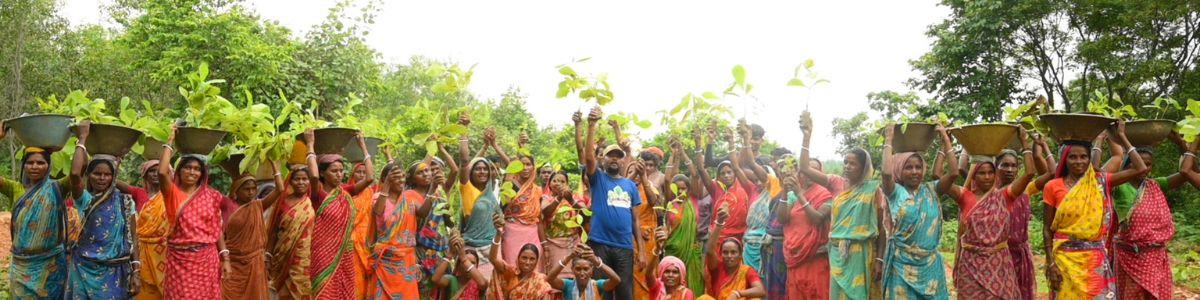
- We've planted millions of trees across India in partnership with local farmers and communities.
- Every tree you plant online is grown, geo-tagged, and cared for by local partner organisations.
- Our afforestation drives focus on regions that need green cover the most.
- We offer meaningful tree-planting gifts for birthdays, anniversaries, and corporate occasions.
- Corporates can plant trees at scale through our CSR and bulk planting programmes.
- We support biodiversity by planting a mix of native, region-appropriate species.
- Every plantation helps combat both air pollution and climate change at the same time.
Whether you plant one tree or a thousand, you're directly contributing to the mission behind International Day of Clean Air.
Conclusion
Clean air isn't something we can buy or manufacture - it's something we have to protect, together. This day is a yearly nudge to remember just how precious the air around us really is, and how much power we each hold to protect it. Whether it's choosing public transport, supporting clean-air initiatives, or planting a tree with Grow-Trees.com, every action counts toward bluer skies and healthier lives ahead.

Frequently Asked Questions
When Is International Day of Clean Air for Blue Skies?
It's observed every year on September 7, as designated by the United Nations General Assembly.
What is the theme for World Clean Air Day in 2026?
The United Nations announces a specific theme closer to the observance each year, generally centred around collaborative, global action against air pollution.
What is the hashtag for International Day of Clean Air for blue skies?
The official hashtag typically used is #CleanAirForBlueSkies, along with #WorldCleanAirDay in some campaigns.
Why Is Clean Air Important?
Clean air is essential for healthy lungs, hearts, and overall well-being, and it also protects ecosystems, crops, and the wider environment.
How Can We Help Improve Air Quality?
Simple steps like using public transport, reducing waste burning, conserving energy, and planting trees can meaningfully improve air quality over time.
What is the aim of the Clean Air Act?
The Clean Air Act aims to control and reduce air pollution by regulating emissions from industries, vehicles, and other major pollution sources.
Are there blue skies in India?
Yes, many Indian cities do experience clear, blue skies, especially after monsoon season or during periods of reduced pollution, though air quality still varies widely by region.
Why is clean air so important?
Because it directly affects our health, life expectancy, and quality of life, while also supporting the broader environment we all depend on.
Who created the Clean Air Act?
In the United States, the Clean Air Act was passed by Congress, with major amendments in 1970, 1977, and 1990 to strengthen air quality regulations.
What are the main goals of the National Clean Air Programme?
NCAP aims to significantly reduce particulate matter pollution across Indian cities through city-specific action plans, better monitoring, and stronger emission controls.
What are the benefits of having clean air?
Clean air leads to fewer respiratory and heart illnesses, better productivity, longer lifespans, and a healthier environment overall benefits that touch nearly every part of daily life.
Subscribe to our newsletter and recieve a selection of our cool articles every week.