

Views
889
Tree Plantation in West Bengal has become one of the state's most important environmental priorities as it works to restore forests, strengthen biodiversity, and combat the growing impacts of climate change.
West Bengal is one of India's richest ecological regions, home to the majestic Sundarbans, lush forests, fertile plains, extensive wetlands, and rapidly expanding urban centres. From the mangrove forests of South 24 Parganas to the hills of Darjeeling, the state's diverse landscapes support thousands of plant and animal species while providing livelihoods to millions of people.
However, climate change, rapid urbanisation, industrial development, riverbank erosion, rising sea levels, and deforestation continue to put tremendous pressure on these ecosystems. Tree Plantation in West Bengal has therefore become one of the most effective ways to restore biodiversity, improve air quality, reduce soil erosion, strengthen climate resilience, and support local communities.
Across West Bengal, government departments, environmental organisations, educational institutions, corporations, and citizens are working together to increase green cover through large-scale plantation drives and long-term ecological restoration projects. These collaborative efforts have made Tree Plantation in West Bengal a key strategy for protecting the state's natural heritage while creating long-term environmental and social benefits.
This guide explores the major Tree Plantation in West Bengal initiatives, organisations leading these efforts, native tree species suitable for the state's climate, and how individuals and companies can contribute to building a greener future.

Ongoing Tree Plantation Initiatives in West Bengal
Tree Plantation in West Bengal focuses on restoring degraded forests, protecting coastal ecosystems, improving urban green spaces, and creating sustainable livelihoods across the state.
Some of the state's most significant initiatives include:
- Mangrove restoration in the Sundarbans
- Urban plantation drives across Kolkata and neighbouring districts
- Roadside and riverbank plantation
- Community forestry programmes
- School and college plantation campaigns
- CSR-led afforestation projects
- Wetland restoration
- Biodiversity conservation projects
One of the largest ongoing restoration efforts is taking place in the Sundarbans National Park, where mangrove plantation helps protect India's iconic Royal Bengal Tiger habitat while strengthening natural coastal defences against cyclones and rising sea levels. Such initiatives demonstrate how Tree Plantation in West Bengal is helping conserve biodiversity while building resilience against climate change.
Grow-Trees.com's Trees for Tigers® Project
Grow-Trees.com has been actively restoring degraded landscapes around the Sundarbans through its Trees for Tigers® initiative.
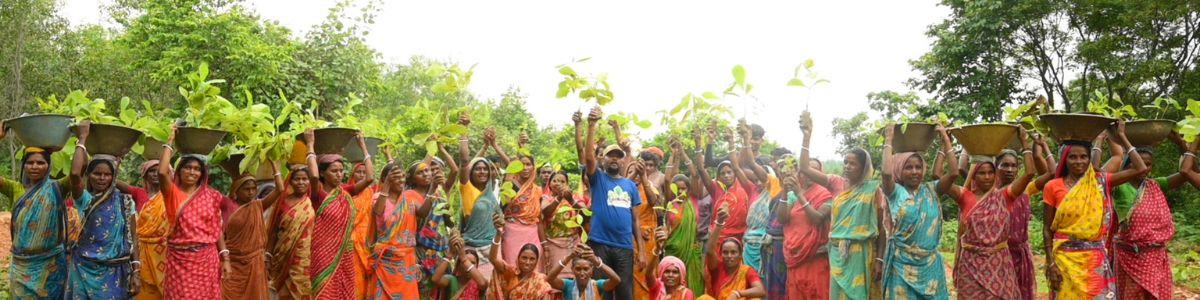
The project focuses on planting native mangrove species across villages in South 24 Parganas, helping restore wildlife habitats while generating rural employment.
Key highlights include:
- More than 1.12 million trees already planted against a target of 1.15 million trees
- An additional 100,000 mangrove trees planned to be planted during FY 2025–26
- Plantation across villages including Rangabelia, Radhanagar, Harishpur, Ramnagar, Chotomolla and Amtali
- Improved biodiversity
- Carbon sequestration
- Disaster mitigation
- Increased green cover
- Rural employment generation
- Habitat restoration for the endangered Royal Bengal Tiger
The project also supports local communities by creating nursery and plantation employment while improving fisheries, reducing erosion, and strengthening climate resilience.

Key Initiatives and Focus Areas
State-Wide Afforestation
Afforestation remains one of West Bengal's most important environmental priorities. Large-scale plantation programmes are undertaken across degraded forest land, village commons, roadside corridors, railway land, schools, and public institutions.
These initiatives help:
- Restore degraded landscapes
- Improve groundwater recharge
- Reduce soil erosion
- Increase carbon sequestration
- Enhance biodiversity
- Improve local microclimates
Many plantation drives are carried out during the monsoon season to maximise sapling survival.

Sundarbans Mangrove Conservation
The Sundarbans, a UNESCO World Heritage Site, contains the world's largest mangrove forest and is home to the endangered Royal Bengal Tiger.
Mangroves play an essential role in:
- Protecting coastlines from cyclones
- Preventing soil erosion
- Reducing storm surges
- Supporting fisheries
- Improving marine biodiversity
- Capturing atmospheric carbon
- Protecting wildlife habitats
Grow-Trees.com's Trees for Tigers® project contributes significantly to mangrove restoration in South 24 Parganas by planting native mangrove species in villages surrounding the Sundarbans National Park.
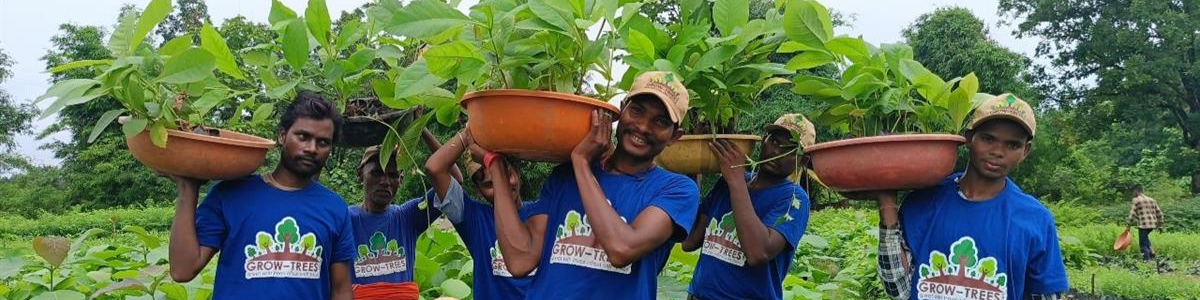
The project not only restores ecological balance but also generates employment opportunities for local communities through nursery development, plantation activities, and long-term maintenance.

Wetland and Riverside Protection
West Bengal's extensive network of rivers, wetlands, and floodplains is crucial for biodiversity, agriculture, and water security.
Tree plantation along riverbanks helps:
- Stabilise soil and reduce soil erosion
- Improve groundwater recharge
- Filter pollutants
- Protect aquatic habitats
- Reduce flood impacts
Native tree species planted near wetlands also provide food and shelter for birds, fish, reptiles, and insects.
Urban Greening
Rapid urbanisation has significantly reduced green spaces in cities such as Kolkata, Howrah, Durgapur, Siliguri, and Asansol.
Urban plantation initiatives focus on:
- Avenue plantations
- Parks and gardens
- School campuses
- Housing societies
- Corporate campuses
- Urban biodiversity parks
Increasing urban tree cover helps lower temperatures, improve air quality, reduce noise pollution, and create healthier living environments.
Sabujsree Scheme
The Government of West Bengal introduced the Sabujsree Scheme to encourage citizens to plant and care for trees.
Under this initiative, saplings are distributed through educational institutions and local administrative bodies to increase green cover while promoting environmental awareness among students and communities.
The programme also supports the state's long-term climate resilience and afforestation goals.

Government Bodies Supporting Tree Plantation in West Bengal
West Bengal Forest Department
The West Bengal Forest Department leads the state's afforestation and forest conservation programmes.
Its responsibilities include:
- Forest protection
- Wildlife conservation
- Mangrove restoration
- Eco-restoration
- Social forestry
- Community participation
- Biodiversity conservation
The department also organises annual plantation drives during Van Mahotsav and the monsoon season.
West Bengal Forest Development Corporation (WBFDC)
The West Bengal Forest Development Corporation (WBFDC) supports sustainable forest management, eco-tourism, plantation activities, and conservation projects across the state.
It also promotes responsible utilisation of forest resources while ensuring ecological balance and livelihood generation.
Divisional Forest Offices
Divisional Forest Offices (DFOs) coordinate plantation activities at the district level.
Their responsibilities include:
- Distribution of saplings
- Community plantation drives
- Forest protection
- Monitoring plantation survival
- Public awareness programmes
- Collaboration with NGOs and educational institutions
DFOs also encourage citizen participation through local environmental campaigns.
How to Participate in Tree Plantation in West Bengal
Whether you are an individual, school, corporate, or community group, there are several ways to contribute to West Bengal's growing green cover.
Plant a Tree Online with Grow-Trees.com
One of the easiest ways to support ecological restoration is by planting a tree online through Grow-Trees.com.
Individuals and organisations can support scientifically planned plantation projects across West Bengal, including the Trees for Tigers® initiative in the Sundarbans. Every project is implemented by experienced local planting partners using native species suitable for the region.
Depending on the project, supporters can receive:
- An eTreeCertificate® for every tree planted
- Project updates and impact reports
- Access to project dashboards and monitoring information
- Opportunities to plant trees for birthdays, anniversaries, memorials, festivals, and CSR initiatives
This allows anyone, regardless of location, to contribute to restoring West Bengal's forests and mangrove ecosystems.

Volunteer
Many NGOs, schools, colleges, resident welfare associations, and environmental groups organise plantation drives throughout the year, especially during the monsoon season and during Van Mahotsav.
Volunteering is an excellent way to:
- Plant and maintain saplings
- Participate in awareness campaigns
- Learn about native biodiversity
- Engage with local communities
- Encourage environmental stewardship
Adopt a Tree
Several organisations offer tree adoption programmes where individuals can sponsor the planting and maintenance of trees. These initiatives often include periodic updates on plantation progress and help ensure the long-term care of saplings.
Tree adoption is a meaningful way to celebrate special occasions while creating a lasting environmental impact.
Best Native Species to Plant in West Bengal
Choosing native species improves survival rates and strengthens local ecosystems. These trees are naturally adapted to West Bengal's climate, soil conditions, and biodiversity.
While Mahogany is widely planted, native species should generally be prioritised for ecological restoration projects.
Frequently Asked Questions (FAQs)
Q1. Which tree is best for plantation in West Bengal?
Native species such as Neem, Arjun, Kadamba, Jamun, Banyan, Peepal, and mangrove species like Sundari and Rhizophora are among the best choices, depending on the location and purpose of plantation.
Q2. What are the main objectives of tree plantation?
Tree plantation helps restore degraded ecosystems, improve biodiversity, reduce pollution, absorb carbon dioxide, prevent soil erosion, conserve water, support wildlife habitats, and generate livelihoods for local communities.
Q3. What is the most common tree in West Bengal?
Commonly found trees include Banyan, Peepal, Neem, Mango, Coconut, Kadamba, Arjun, and various mangrove species in coastal regions.
Q4. Which trees are native to West Bengal?
Some important native species include Sundari, Gewa, Bain, Garjan, Kankra, Arjun, Kadamba, Banyan, Peepal, Jamun, and Sal in suitable regions.
Q5. Which are the best native trees for West Bengal's climate?
Species such as Neem, Arjun, Jamun, Kadamba, Banyan, Peepal, and native mangroves are well adapted to West Bengal's diverse climatic zones.
Q6. How can I participate in tree plantation drives in West Bengal?
You can volunteer with environmental organisations, join community plantation drives, participate in school or corporate initiatives, or plant trees online through Grow-Trees.com.
Q7. Who conducts tree plantation activities in West Bengal?
Tree plantation activities in West Bengal are carried out by a wide range of stakeholders, including government departments, educational institutions, community groups, resident welfare associations, corporate organisations through CSR initiatives, and environmental organisations. These efforts focus on restoring forests, protecting wetlands and mangroves, increasing urban green cover, and promoting biodiversity conservation across the state.
Q8. What is the Miyawaki forest method, and why is it popular in West Bengal?
The Miyawaki method involves planting dense native forests that grow significantly faster than conventional plantations. It is increasingly used in urban areas to create compact green spaces that improve biodiversity and air quality.
Q9. Can companies undertake CSR tree plantation projects in West Bengal?
Yes. Many companies implement Corporate Social Responsibility (CSR) initiatives by supporting afforestation, mangrove restoration, biodiversity conservation, and community-based plantation projects in partnership with experienced organisations such as Grow-Trees.com.
Q10. How can I plant a tree online in West Bengal and track its growth?
You can support verified plantation projects through Grow-Trees.com. Depending on the project, you may receive an eTreeCertificate®, project updates, and access to monitoring dashboards that provide transparency into plantation progress.
Q11. What is the best time for tree plantation in West Bengal?
The monsoon season, typically from June to September, is considered the best time for planting trees, as adequate rainfall supports healthy root establishment and improves sapling survival.
Q12. How does tree plantation help reduce pollution and heat in West Bengal?
Trees absorb carbon dioxide and airborne pollutants, release oxygen, provide shade, reduce the urban heat island effect, improve soil health, and help regulate local temperatures, making cities and communities healthier and more resilient.
Conclusion
Tree plantation is essential for safeguarding West Bengal's diverse ecosystems, from the iconic mangrove forests of the Sundarbans to urban landscapes and fertile agricultural regions. Restoring green cover helps conserve biodiversity, reduce climate risks, protect coastlines, improve air and water quality, and create sustainable livelihoods for local communities.
With the combined efforts of government agencies, environmental organisations, businesses, and citizens, West Bengal continues to strengthen its commitment to ecological restoration.
Projects such as Grow-Trees.com's Trees for Tigers® demonstrates how carefully planned plantation initiatives can restore degraded mangrove habitats, support endangered wildlife like the Royal Bengal Tiger, generate rural employment, and build resilience against climate change. By choosing to plant or support native trees, every individual and organisation can contribute to a healthier, greener, and more sustainable future for the state.
Subscribe to our newsletter and recieve a selection of our cool articles every week.