Project Target
100% Remaining

3
Trees Planted out of 100,000 Trees
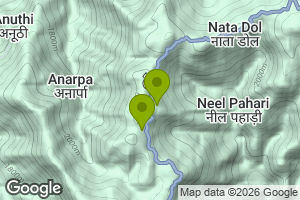
Project Location:
In FY 2026-27, we will plant 100,000 trees in this project. It will be implemented in Selalekh Van Panchayat & Jalna Neelpahadi Van Panchayat, located in Okhalkanda block of Nainital district, Uttarakhand, India.
Project Aim

Enhancement of
Biodiversity

Groundwater
Recharge

Increase in
Green Cover
Reduction of
Man-Animal Conflict

Improvement of
Wildlife Habitats
SDG






Why Trees?
Among the big cats, the Leopard stands out as one of the most resilient species. However, even these adaptable predators have not been able to escape the growing pressures of human interference such as deforestation, habitat fragmentation, and expanding infrastructure. In the Kumaon region of Uttarakhand, which includes Nainital district, the interface between forests and human settlements has historically been complex. In his seminal work Man-Eaters of Kumaon, Jim Corbett documented numerous instances of human-wildlife conflict in these very landscapes, highlighting a long-standing challenge of coexistence.
In recent decades, this challenge has intensified. A study in the Jim Corbett buffer zone revealed that nearly 25% of natural wildlife habitat has been transformed into anthropogenic landscapes due to rapid urbanisation and development. Habitat loss, fragmentation, and declining prey availability have increasingly pushed leopards towards human settlements, resulting in a rise in conflicts.
Recent developments further underline the urgency of the situation. As reported by The New Indian Express in 2026, several villages across Uttarakhand have experienced severe human-wildlife conflict following deadly leopard attacks, leading to widespread fear, temporary school closures, restricted movement after dusk, and even abandonment of settlements. This reflects a deepening ecological imbalance where wildlife is forced closer to human habitation in search of food.
Recognising this, the state government has also emphasised ecological restoration as a key mitigation strategy. Initiatives such as planting fruit-bearing trees within forest areas are being promoted to sustain herbivore populations within their natural habitats, thereby reducing the likelihood of predators straying into villages.
In addition to habitat degradation, the region has also witnessed increasing environmental stress in the form of landslides and erratic climatic patterns, which further impact forest stability and biodiversity. For ambush predators like leopards, forest cover plays a critical role in providing shelter and supporting prey populations. A reduction in vegetation not only disrupts ecological balance but also increases the probability of human-wildlife encounters.
In response to these growing challenges, the Trees for Leopards® project in the Okhalkhanda block of Nainital district has been designed to restore ecological balance by expanding green cover and strengthening wildlife habitats. By improving forest density and promoting species that support prey availability, the project aims to naturally reduce leopard movement into human-dominated areas. At the same time, it supports local communities through sustainable livelihoods and responsible forest utilisation, fostering a more harmonious coexistence between humans and wildlife.
Tree Species
1. Banj Oak (Quercus spp.)
Banj Oak is a dominant native species of the central Himalayas and plays a foundational role in maintaining ecological balance. Its dense canopy and deep root system help stabilise slopes, improve soil structure, and enhance moisture retention which is critical in the hilly terrains of Okhalkanda. Banj forests are known to support rich biodiversity and create ideal conditions for wildlife movement and shelter. The species is especially important for sustaining prey populations such as deer and langurs, which in turn supports leopard habitats and reduces their movement toward human settlements.
2. Deodar Cedar (Cedrus deodara)
Deodar is a native Himalayan species known for its ecological, cultural, and economic importance. It plays a key role in stabilising slopes and improving soil health in mountainous regions. The tree is highly valued for durable timber used in construction and ecological restoration in high-altitude areas. Deodar holds cultural significance in the Himalayas and is often associated with traditional practices. Its presence contributes to long-term forest development and biodiversity conservation.
3. Reetha (Sapindus mukorossi)
Reetha, is a multipurpose tree that supports both ecological restoration and rural livelihoods. It contributes to improving soil health and increasing green cover while also supporting biodiversity through its foliage and fruit. The tree plays a role in reducing forest dependency pressure by providing a sustainable non-timber forest product that can be harvested without harming the ecosystem. It is widely used for income generation through fruit collection and sale and supporting eco-friendly livelihood practices
4. Kharsu Oak (Quercus leucotrichophora)
Kharsu Oak is another key Himalayan oak species that plays a critical role in maintaining forest ecosystems. It contributes to dense canopy formation, which enhances habitat quality for wildlife and supports biodiversity. Its root system strengthens soil structure and prevents erosion on steep slopes. Like Banj Oak, it supports herbivore populations by providing fodder, thereby strengthening the prey base essential for sustaining leopards within forested areas.
It is important for maintaining dense forest cover for wildlife habitats and soil and water conservation in upland ecosystems
5. Ringal (Chimnobambusa falcata)
Ringal is a native species that grows well on slopes and degraded lands. Its dense root network is highly effective in binding soil and preventing erosion, making it ideal for restoring fragile hill ecosystems. It also creates thick undergrowth that provides shelter and movement corridors for small wildlife, contributing to overall habitat complexity and supporting predator-prey dynamics. It is widely used for handicrafts and traditional products, fencing and small-scale construction and supplementary income for local communities
6. Bhimal (Grewia optiva)
Bhimal is a highly valued multipurpose tree in the Himalayan region, particularly known for its importance as a fodder species. It supports both livestock and wild herbivores, thereby strengthening the prey base within forest ecosystems. By providing readily available fodder, Bhimal helps reduce grazing pressure inside core forest areas, contributing to better habitat conditions for wildlife, including leopards. It is valued for nutritious fodder for livestock, fibre for rope-making and traditional use and supporting sustainable forestry.
7. Pangar (Aesculus indica)
Pangar, or Indian Horse Chestnut, is a native Himalayan tree that contributes to biodiversity and soil conservation. Its broad leaves help in improving soil organic matter, while its presence enhances overall forest structure. The tree supports wildlife by contributing to habitat diversity and also provides seasonal fodder, which is important for sustaining herbivore populations within forest areas. It is useful for improving soil fertility through leaf litter, providing seasonal fodder and enhancing biodiversity in mixed forests
8. Padam (Prunus cerasoides)
Padam, also known as wild Himalayan cherry, is an important fruit-bearing species that supports biodiversity and wildlife. Its flowers attract pollinators, while its fruits serve as a food source for birds and small mammals, strengthening the ecological food web. By attracting herbivores and smaller fauna, it indirectly contributes to sustaining predators like leopards within forest habitats. It is valued for supporting pollinators and bird populations, providing fruit for wildlife and enhancing biodiversity and forest regeneration
9. Utish (Alnus nepalensis)
Utish, or Himalayan Alder, is a fast-growing, nitrogen-fixing species that plays a crucial role in restoring degraded and landslide-prone areas. It improves soil fertility and accelerates ecological succession, making it highly suitable for landscape restoration in fragile hill ecosystems. Its rapid growth helps establish early forest cover, which supports habitat development and creates favourable conditions for other native species to thrive. It is important for soil enrichment through nitrogen fixation, rapid restoration of degraded lands and stabilising slopes and preventing erosion
Social impacts
The “Trees for Leopards®” project in Okhalkanda block of Nainital district will generate meaningful social benefits for communities in Selalekh Van Panchayat and Jalna Neelpahadi Van Panchayat. By restoring forest ecosystems and strengthening natural habitats, the project directly addresses the root causes of conflict. Improved availability of fodder and forest resources will reduce community dependence on core forest areas, thereby minimising risky human-wildlife interactions and enhancing safety for local residents.
The project will generate employment opportunities across activities such as nursery development, sapling preparation, pit digging, plantation, watering, maintenance, and monitoring. These activities will provide steady income support while building local capacities in ecological restoration and sustainable land management. Special emphasis will be placed on engaging women, ensuring inclusive participation and strengthening community ownership through the Van Panchayat system.
In addition, the plantation of native and multipurpose species will restore access to essential resources like fodder, fuelwood, and non-timber forest products. This will support daily needs, reduce time spent on resource collection, and improve overall quality of life. Improved vegetation cover will also enhance local microclimates by reducing heat stress, improving air quality, and increasing moisture retention. Over time, these changes will contribute to improved water availability, strengthened food security, and more resilient rural livelihoods.
Ecological & Agricultural Benefits
The forests of the Kumaon Himalaya, including the Okhalkanda region, have been increasingly impacted by habitat degradation, fragmentation, and declining prey availability. These changes have contributed to a rise in leopard movement toward human settlements, intensifying conflict. Through the plantation of native, ecologically suitable species, the project will help restore:
As an ambush predator, the leopard relies heavily on vegetation cover for hunting and movement. By improving forest density and structure, the project will create safer and more suitable habitats, encouraging wildlife to remain within forested areas rather than moving into villages. The inclusion of fodder and fruit-bearing species will attract herbivores such as deer and other prey species, strengthening the natural food chain. This ecological balance is key to reducing human-wildlife conflict over the long term. Additionally, improved vegetation will help mitigate environmental risks such as soil erosion and landslides, while enhancing moisture retention and stabilising fragile slopes. These ecological improvements will contribute to long-term landscape resilience in the Himalayan region.
Economic Impact
The “Trees for Leopards®” project aims to strengthen rural livelihoods by creating both short-term employment and long-term income opportunities linked to sustainable forest resources. In the short term, the project will provide wage-based employment through plantation and maintenance activities, offering financial stability to local households. In the long term, the plantation of multipurpose species such as Banj Oak, Bhimal, Ringal, Reetha, and Pangar will support diverse livelihood streams.
By improving access to these resources, the project reduces dependence on external or uncertain income sources and strengthens self-sufficiency within communities. Importantly, by addressing human-wildlife conflict through habitat restoration, the project also prevents economic losses associated with livestock depredation and restricted movement. Safer and more stable living conditions enable communities to pursue livelihoods with greater confidence. Over time, this initiative will contribute to building stable, nature-based economies where ecological restoration and community well-being are closely interconnected, supporting both conservation goals and sustainable rural development.
References
Social Impact of Growing Trees
Community Engagement
Tree planting initiatives often involve local communities, which can lead to greater community cohesion.
Ecological Education
Provides opportunities for community members, especially children, about the importance of environmental sustainability.
Urban Beautification
Trees contribute to the aesthetic enhancement of urban areas, making cities more pleasant and liveable.
Climate Resilience
By improving green cover, tree planting helps make communities more resilient against climate impacts like heatwaves.
Employment Creation
Planting trees creates employment for local community members like planting and maintenance, administrative roles, and more long-term jobs in management.
Wildlife Habitat
Trees provide critical habitats for various species of wildlife. Enhancing tree cover helps preserve biodiversity, which can be an ecological boon for local communities
Copyrights @ 2025 All rights reserved by Pangea EcoNetAssets Pvt Ltd.